
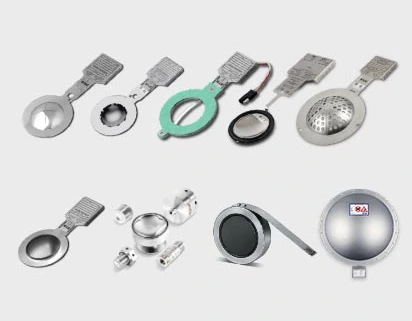











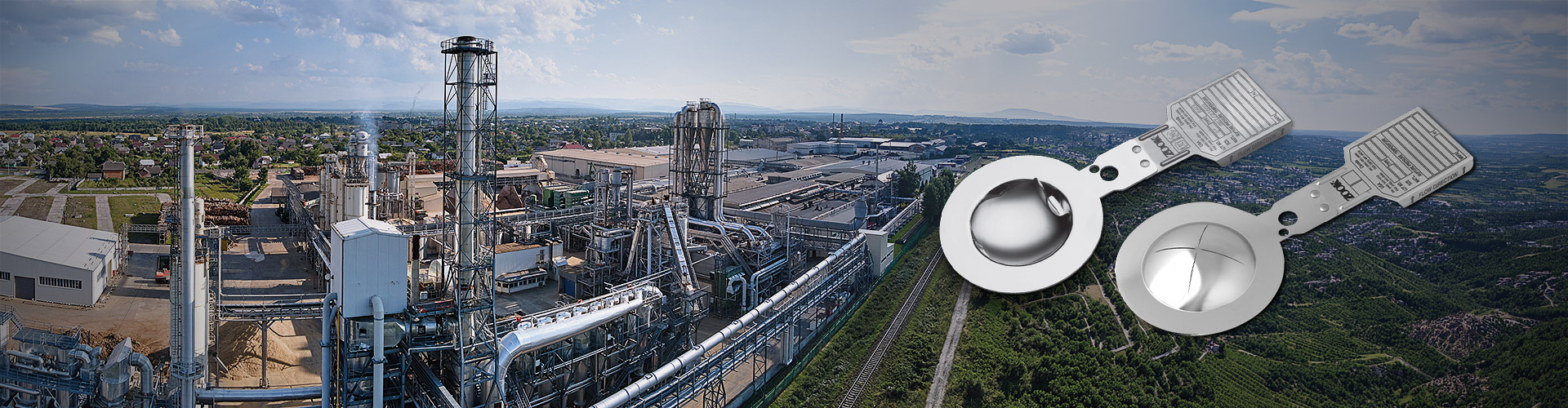
Selecting the right rupture disk material is one of the most critical decisions in pressure relief system design. While burst pressure often gets the most attention, material choice ultimately determines corrosion resistance, temperature capability, fatigue life, and long-term reliability. Because rupture disks are thin membranes with no built-in corrosion or safety allowance, material compatibility with the process is essential.
This blog explores common and exotic rupture disk materials, their strengths, limitations, and typical applications, helping engineers make informed material selections.
Key Material Considerations for Metal Rupture Disks
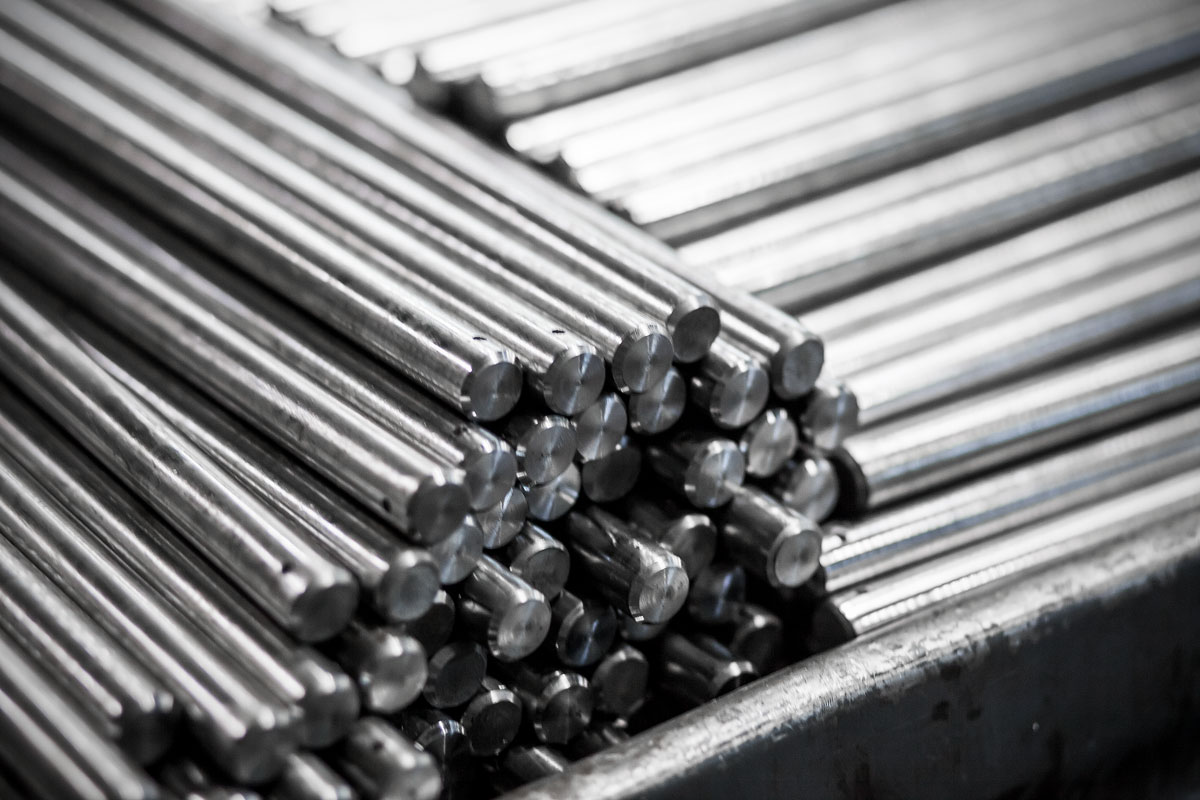
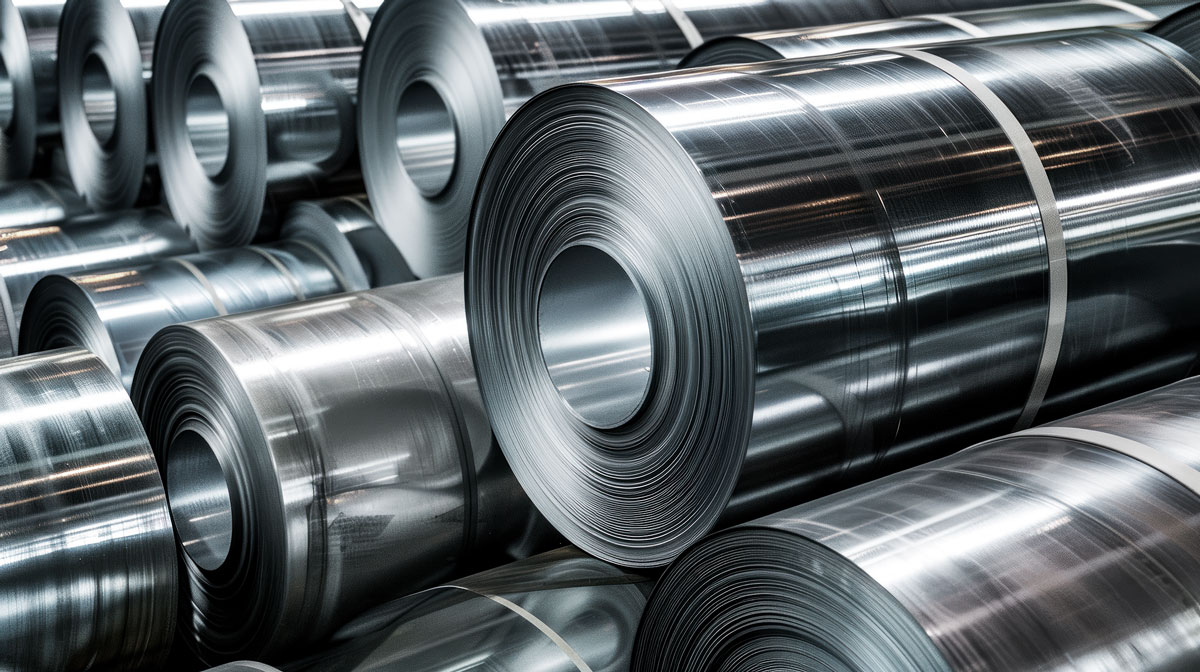
Metal rupture disk materials are typically supplied in thin strip or sheet form, with thicknesses ranging from 0.001” upwards (0.025mm).
Unlike traditional pressure-containing components, rupture disks rely on controlled deformation and failure of the disk material. The mechanical properties of the raw material are intentionally altered during manufacturing by manipulation and shaping of the base foil material, such that the disk is just strong enough and no more, meaning chemical compatibility, not tensile strength, is the primary selection criterion.
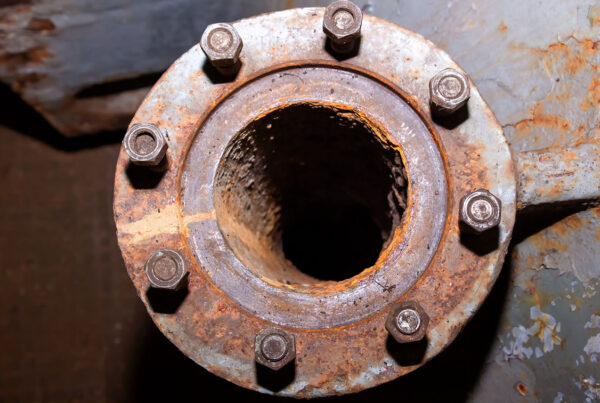
Because rupture disks are thin membranes with no corrosion allowance, any corrosion can lead to premature failure and unplanned shutdowns. This makes correct material selection a safety and reliability-critical decision.
Common Rupture Disk Materials
Stainless Steel
316 stainless steel is one of the most widely used rupture disk materials due to its balance of cost, corrosion resistance, and temperature capability. It is suitable for continuous service up to approximately 900°F (482°C), with practical limits based on strength reduction at elevated temperatures. Stainless steel provides reliable performance across a wide range of chemical processes and is often specified as a default material.
Aluminum
Aluminum remains widely used as a low‑cost rupture disk material, particularly for low burst pressure applications. It is typically supplied as pure 1100 aluminum, fully annealed for disk manufacturing. Aluminum can achieve lower burst pressures than other typically used metals on a size‑for‑size basis. However, it has poor corrosion resistance and is generally limited to continuous operating temperatures below 250°F (121°C) and may work or age harden. To improve corrosion resistance, aluminum disks are often plastic lined.
Nickel®
Nickel 200 offers excellent ductility and resistance to work hardening, making it especially suitable for tight burst tolerances and mechanically scored rupture disk designs. With a temperature limit of approximately 750°F (400°C), nickel combines good corrosion resistance with highly repeatable performance, which is why it is often favored by rupture disk manufacturers for precision applications.
Monel®
Monel is a nickel‑based alloy and depending on process offers improved corrosion resistance over stainless steel, often at a relatively modest cost increase. It is suitable for temperatures up to 800°F (427°C) and is commonly selected where enhanced corrosion resistance is required without moving into more expensive exotic alloys.
Inconel®
Inconel 600 is valued for its excellent temperature stability, particularly in processes with large temperature fluctuations or sustained high temperatures. With continuous service capability up to 900°F (482°C), Inconel is often used where stainless-steel performance becomes marginal.
Fluoropolymer Liners and Coatings
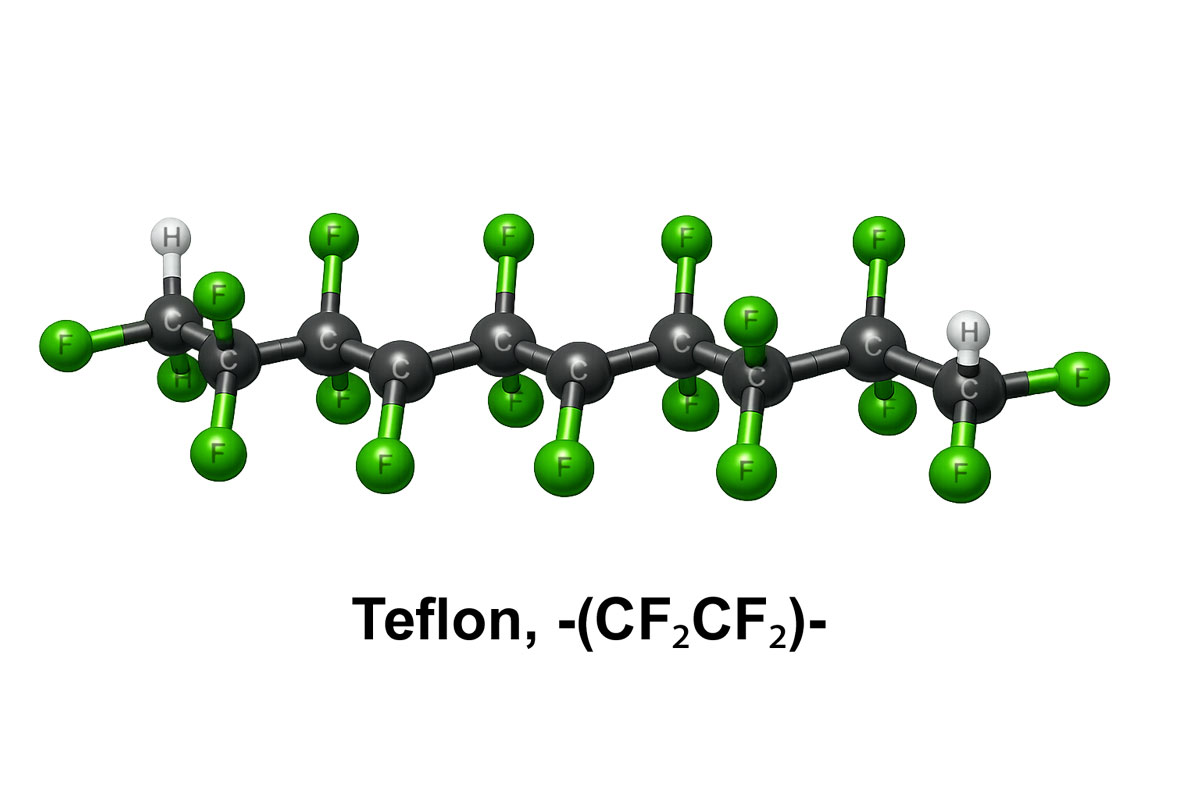
PTFE, FEP, PVDF (Kynar) and PFA (Teflon®)
Fluoropolymers are widely used as protective liners or sealing membranes on rupture disks. These materials provide exceptional chemical resistance to acids, solvents, and corrosive gases, and perform across extreme temperature ranges, from cryogenic conditions to approximately 500°F (260°C) depending on the formulation.
It is important to note that fluoropolymers are permeable to some media, meaning small molecules including some corrosive gases can migrate through the film. As a result, fluoropolymer linings help with, but do not eliminate the need for proper base material selection. Consideration should be given to permeability where the fluoropolymer is being used as a seal.
Other liner materials include PEEK (non-fluoropolymer). For a deeper dive on rupture disk coating and liners, visit out blog entry on the topic.
Exotic Materials for Severe Service
Hastelloy®
Hastelloy alloys, particularly the “C” grades, offer an excellent balance of cost and corrosion resistance, with temperature limits up to 1000°F (538°C). These alloys are frequently selected for highly corrosive environments where standard stainless steel and nickel alloys are insufficient.
Silver
Pure silver is uniquely suited for brine and chlorine services, although its relatively low temperature limit of 250°F (121°C) and limited availability restrict its use to smaller rupture disk sizes or specialty applications. Silver is sometimes applied as a thin protective coating rather than a full disk material.
Titanium
Titanium is used in specialized services such as hydrazine applications or aerospace systems, where corrosion resistance and weight savings are critical. Due to its scarcity and high cost in sheet form, titanium rupture disks are typically limited to niche applications.
Tantalum
Tantalum represents one of the most corrosion‑resistant materials available for rupture disks, remaining unaffected even by boiling, concentrated acids. Its high cost and limited availability restrict its use to the most severe chemical environments, often as a thin protective layer over another material.
Graphite Rupture Disks
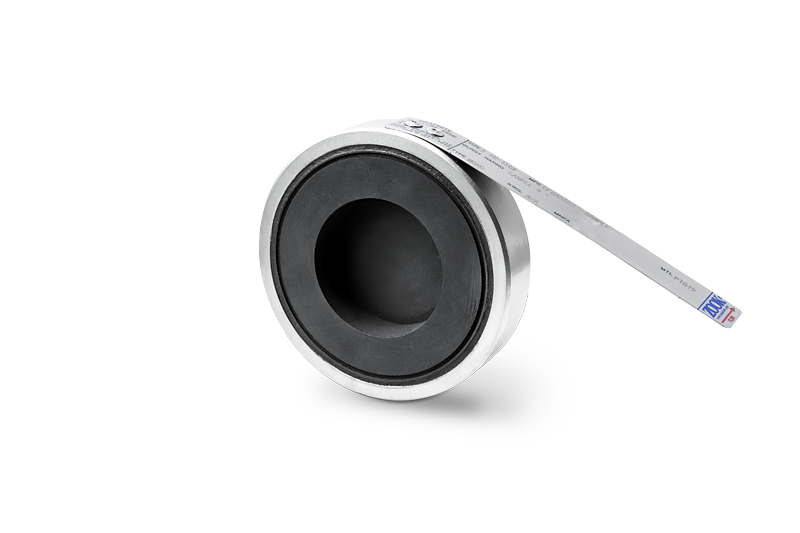
Graphite rupture disks are based on electrical grade graphite, typically with a phenolic resin impregnation cycle to seal the base graphite structure. Both the graphite and resin are highly corrosion resistant making graphite an excellent and cost-effective choice for corrosive applications. As standard graphite rupture disks can operate from cryogenic temperatures up to 430°F (221°C), or higher with alternate impregnation or heat shields.
The design of the disks allows a wide range of pressures to be covered with direct installation between flanges. Graphite rupture disks will fragment on burst, and this should be considered at the design stage.
Final Thoughts: Material Selection Is a Process Decision
Rupture disk material selection should never be treated as a commodity choice. Because rupture disks are thin membranes with no corrosion allowance, material compatibility with the process environment is paramount. The right material improves reliability, extends service life, and reduces nuisance failures, while the wrong choice can result in costly downtime and safety risk.
Material selection should always be guided by process chemistry, temperature, cycling conditions, and corrosion mechanisms, not just burst pressure alone.
There is a wide palette of materials and disk designs available, the disk manufacturer is your partner to find the right combination to meet the requirements of your installation.
Need help selecting the right rupture disk material for your process?
Contact ZOOK to discuss your application.