










From municipal facilities to industrial operations, wastewater treatment plays a vital role in public health and environmental protection. These complex systems rely on consistent performance and strict adherence to safety and compliance standards. One of the most overlooked yet critical elements in these systems? Overpressure protection.
Wastewater treatment involves a variety of physical filtration and chemical processes, some at pressure. These processes must run efficiently and safely to ensure that treated water is suitable for release back into the environment.
Why Overpressure Protection Matters
Throughout a wastewater treatment process, various conditions can lead to the buildup of pressure. Gas accumulation in digesters, chemical reactions in storage tanks, or thermal expansion in closed-loop systems, are all potential causes of overpressure. Stages which are pump-driven also carry an inherent risk of excessive pressure.
Wastewater treatment environments are also highly demanding, often involving corrosive chemicals, biological contaminants, and fluctuating pressures. These harsh operating conditions can place significant stress on system components over time, especially in high-throughput or chemically intensive processes.
Unchecked pressure can cause equipment damage, hazardous releases, or even explosions. As well as the risk of injury and plant damage systems failure can lead to the release of untreated wastewater and potential environmental impact.
That’s where rupture disks come into play.
The Advantages of Rupture Disks in Wastewater Applications
Rupture disks offer several advantages over traditional relief valves, especially in environments as demanding as wastewater treatment:
- Fast, Leak-Tight Protection: No moving parts means instant response and zero leakage prior to activation.
- Corrosion-Resistant Materials: Rupture disks can be made from materials suited to withstand aggressive chemicals and corrosive gases.
- Sanitary Designs: For systems requiring hygienic conditions (such as in wastewater pre-treatment or reuse systems), sanitary fitting rupture disks are available.
- Low Maintenance: Unlike pressure relief valves, rupture disks require no servicing or recalibration.
- Explosion Protection: In enclosed systems prone to dust or gas buildup, explosion venting rupture disks can help prevent catastrophic damage.
How Rupture Disks Protect Wastewater Systems
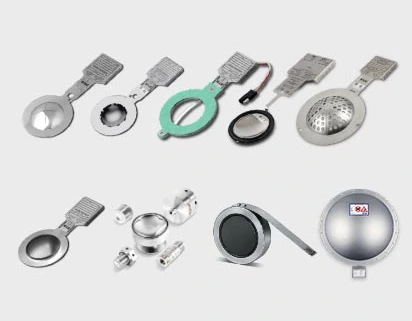
Rupture disks (also known as bursting disks) are non-reclosing pressure relief devices that provide a fail-safe response to overpressure events. When pressure exceeds a preset limit, the disk opens instantly, relieving excess pressure and protecting equipment, personnel, and the environment.
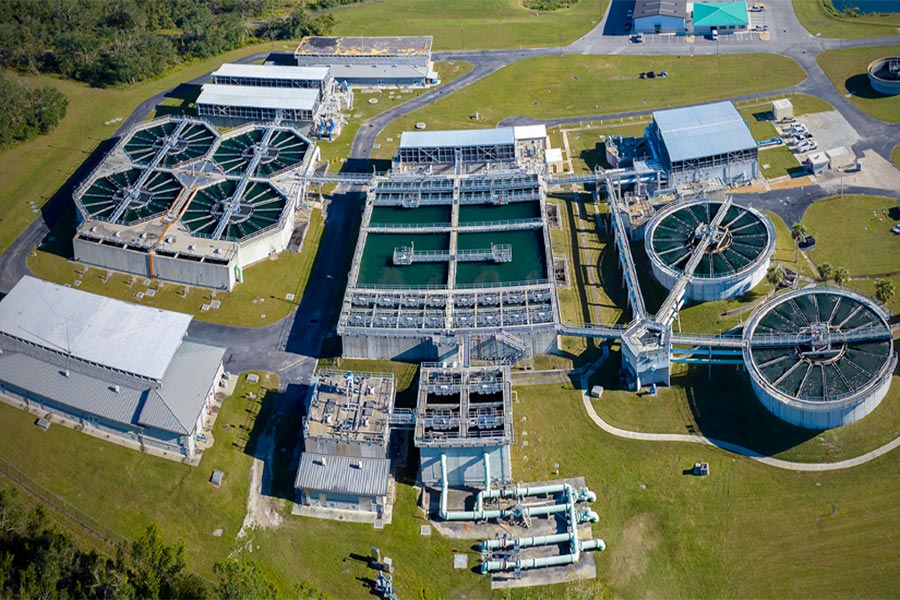
In wastewater treatment facilities, rupture disks are commonly installed on:
- Anaerobic digester tanks
- Chemical storage tanks and dosing systems
- Gas pipelines
- Centrifuge housings
- Sludge processing units
- Pump protection systems
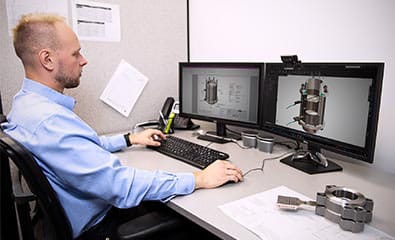
From an engineering standpoint, integrating rupture disks during the initial system design phase allows facilities to optimize protection strategies, reduce the need for future retrofits, and enhance long-term operational reliability.
Regulatory Compliance and Environmental Protection
Meeting safety and environmental standards isn’t optional, it’s mandatory. Pressure relief systems are not only essential for operational safety but also play a direct role in helping facilities meet EPA, OSHA, and local environmental regulations. Rupture disks help ensure containment, prevent unintended emissions, and limit unplanned shutdowns and costly cleanups.
Because wastewater systems are often part of publicly regulated infrastructure, even a minor overpressure incident can result in fines, environmental harm, or disruption of critical services. Rupture disks offer an added layer of assurance that these risks are minimized.
A Critical Component You Can’t Afford to Overlook
Rupture disks are a small component that make a big difference. Whether you’re designing a new facility or retrofitting an existing one, integrating proper overpressure protection ensures long-term safety, reliability, and compliance.
ZOOK rupture disks are specifically designed to protect against these pressure-related risks, ensuring process reliability while helping facilities meet environmental and safety standards.
Looking for the right rupture disk for your wastewater treatment system?
Our engineers can help you choose the best solution based on your process media, operating pressure, and environmental requirements. Contact us to discuss your wastewater application.