










In plastic and rubber extrusion, pressure is everything. It’s what allows polymer melt to be shaped, controlled, and delivered with precision. But when pressure moves outside its normal operating window, whether due to a blocked die, a screen pack issue, material inconsistency, or a downstream restriction, the results can be expensive at best and dangerous at worst.
This is where extrusion burst plugs and rupture disks play a critical role. These pressure relief devices are often small, simple components, but they serve as the last line of defense against equipment damage, unplanned downtime, and serious safety incidents.
At ZOOK, we’ve spent decades working alongside extrusion processors and OEMs to engineer rupture disks and extrusion burst plugs that perform reliably in high-pressure, high-temperature melt environments. In this blog, we’ll walk through how they work, why their design matters, and the most common FAQs processors ask when specifying pressure relief devices for extrusion.
Understanding Overpressure in Extrusion
Extrusion processes routinely operate at high pressures, often in the 1,000 to 15,000 psi range, depending on the polymer, screw design, and downstream equipment. Under normal conditions, these pressures are stable and predictable. Problems arise when something disrupts melt flow.
Common causes of overpressure in extrusion include:
- Die restriction or blockage
- Screen pack fouling or screen changer events
- Frozen, un-melted, or degraded material
- Melt pump issues
- Unexpected contamination or viscosity swings
When pressure spikes occur, the weakest component in the system will fail, unless a properly selected extruder rupture disk (extrusion burst plug) is installed to relieve pressure in a controlled and predictable way.
What Is an Extrusion Burst Plug?
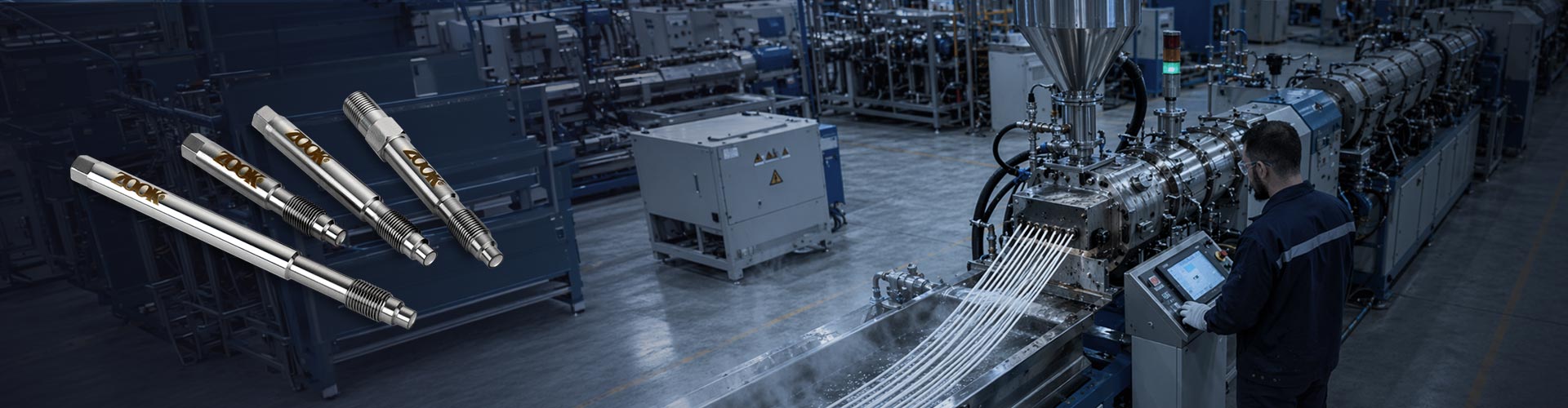
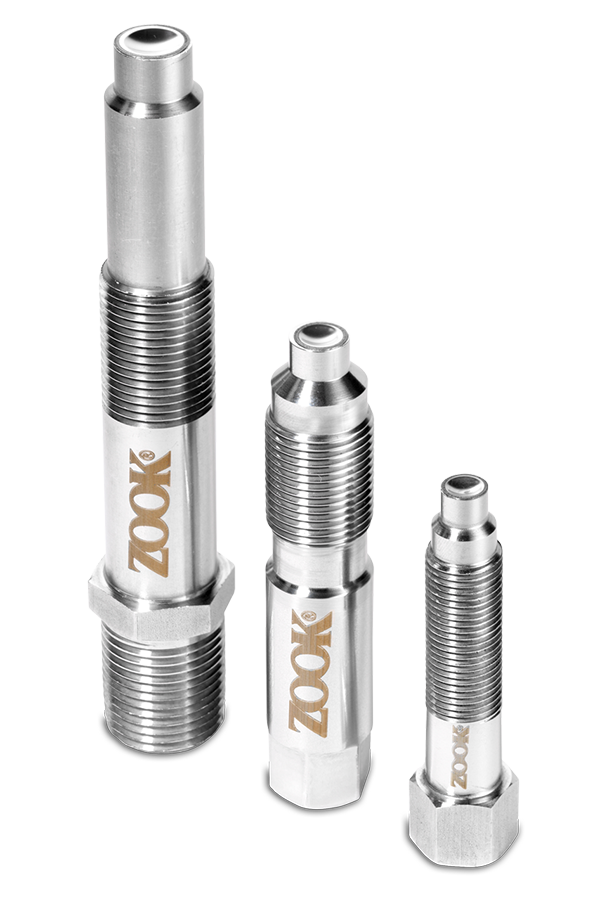
An extrusion burst plug, also commonly referred to as an extruder rupture disk, burst disk, or rupture disc, is a non-reclosing pressure relief device designed specifically for polymer melt service. Each ZOOK extrusion burst plug assembly consists of a threaded tubular body with a rupture disk welded onto the process end.
Extrusion burst plugs are mounted directly into the extruder through a pressure port or thermocouple well where critical pressures are experienced, making them a straightforward, engineered safety component for the melt stream.
When system pressure exceeds the predetermined burst pressure, the disk ruptures instantly, venting material and preventing damage to the extruder barrel, die, melt pump, or other downstream components.
Unlike pressure relief valves, extrusion burst plugs:
- Have no moving parts
- Require no calibration or routine maintenance
- React immediately to pressure spikes
- Have no recesses where product can collect and solidify
- Must be replaced after activation (single use by design)
Why Design Matters: Welded vs. Soldered Burst Plugs
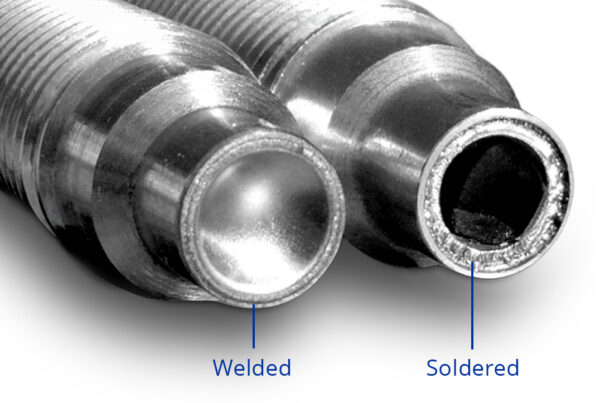
Not all extrusion burst plugs are created equal. One of the most important design differences is welded versus soldered construction.
ZOOK extrusion burst plugs utilize a fully laser-welded rupture disk design, which provides practical advantages in extrusion service:
- A stronger joint that is more resistant to increased temperatures, helping eliminate spurious bursts and reduce the risk of product contamination
- Improved performance under pressure and temperature cycling, reducing the risk of joint failure
- Removal of material creep for better burst repeatability
- Less reliance on confusing temperature correction factors due to added stability across the specified temperature range
- A flush process-end profile that helps minimize polymer buildup in the melt stream
Many soldered designs require counterbores or recessed tips, which can create pockets where molten polymer accumulates. Over time, that buildup can contribute to nuisance bursts, or worse, it can reduce effectiveness when the system needs emergency pressure relief.
Installation: The Detail That Makes or Breaks Performance
Here’s a reality most experienced extrusion teams already know: even the best rupture disk won’t do its job if it’s not installed correctly.
It is important that the extrusion burst plug be mounted flush with the inner wall of the extrusion device. An improperly designed or improperly installed device can create an area for excessive product buildup, which can render the burst plug ineffective.
In practical terms, flush installation helps:
- Reduce dead zones and stagnation
- Minimize polymer degradation and buildup
- Keep the melt stream geometry consistent
- Improve the reliability of the burst event when overpressure occurs
If you’re troubleshooting nuisance bursts, unexplained pressure instability, or frequent plugging around the port, installation depth and melt stream flushness are some of the first things worth checking.
Typical Materials, Ratings, and Stock Configurations
Extrusion lines don’t just need “a burst plug”; they need a burst plug that matches the melt conditions.
ZOOK Extrusion Burst Plugs are built around extrusion realities:
- Body material: 304 series stainless steel
- Standard rupture disk material: Inconel
- Burst ratings from 1,000 psig to 15,000 psig
- Burst tolerance ±10%, with typical standard deviation of ±1% throughout 300°F to 750°F (149°C to 399°C)
ZOOK inventories standard Inset Hex End and Screwdriver End configurations, which supports the practical reality of plant maintenance preferences and available tooling.
And when “standard” isn’t enough: ZOOK can offer custom-welded designs with custom fittings and connections for applications that include OEM markets, ultra-high vacuum, military, aerospace, and other stringent requirements.
Quality Control: The Difference Between Protection and Guesswork
In extrusion, consistency matters. A rupture disk that bursts too early causes unnecessary downtime. One that bursts too late may not protect the system when the line needs it most.
ZOOK Extrusion Burst Plugs are manufactured with controls intended to improve reliability in real melt service:
- 0% manufacturing range for optimum burst accuracy
- Certified Burst Tests and Certification to International Standards
- Full traceability backed by ZOOK’s AS9100D:2016 (ISO9001:2015) certification
- 100% factory leak-tested
- 100% electronic thread verification of every assembly utilizing digital imaging
- 100% ultrasonically cleaned prior to shipment
For many processors, thread verification and leak testing are not “nice to have” features, they’re what keeps a safety device from becoming a maintenance problem.
Frequently Asked Questions About Extrusion Burst Plugs
How do I select the correct burst pressure for my extruder?
Burst pressure selection should consider normal operating pressure, maximum allowable limits of the equipment being protected, and the real-world behavior of the melt during upsets. ZOOK offers burst ratings from 1,000 to 15,000 psig and can support higher pressures as needed.
Are Extrusion Burst Plugs reusable?
No. Extrusion burst plugs are single use by design. Once the rupture disk is activated, the device must be replaced.
Can burst plugs be customized for OEM or specialized applications?
Yes. ZOOK can provide custom welded designs with custom fittings and connections for demanding markets and specialized requirements.
Do Extrusion Burst Plugs need maintenance?
They require no calibration or moving-part maintenance, but they do require correct storage, handling, and installation practices to avoid damage and ensure proper burst performance.
Why is flush installation repeatedly emphasized in extrusion?
Because product buildup near a non-flush port can reduce performance and may render the device ineffective, extrusion melt doesn’t forgive dead spaces.
Conclusion
Extrusion burst plugs and rupture disks may not be the most visible components on an extrusion line, but their role in overpressure protection, extrusion safety, and equipment integrity cannot be overstated. Pressure spikes happen fast, and the consequences of uncontrolled overpressure can include damaged barrels, destroyed dies, lost product, and safety incidents.
ZOOK extrusion burst plugs are designed for the realities of polymer processing: welded construction for stability, consistent burst performance across an elevated temperature range, rigorous quality checks, full certification and configurations that fit how plants operate.
When overpressure occurs, you want a pressure relief device that works exactly as intended, every time.
Reviewing your extrusion safety strategy or specifying rupture disks for a new line?
Contact ZOOK to discuss your application.